Pallet Tracking and Rewards Mobile App
The Problem
Not every business problem announces itself. Some of them just become part of the routine. People deal with them every day, nobody questions them much anymore, and after a while they almost feel normal.
That was the case with one project we worked on through a software development company that had brought us in as a subcontractor. Their client was a glass manufacturer, and like many manufacturers, deliveries happened every single day.
There was nothing unusual about that. The products were transported on sturdy pallets, delivered to customer warehouses, unloaded, and then everyone moved on to the next shipment. Except the pallets didn't. They stayed behind.
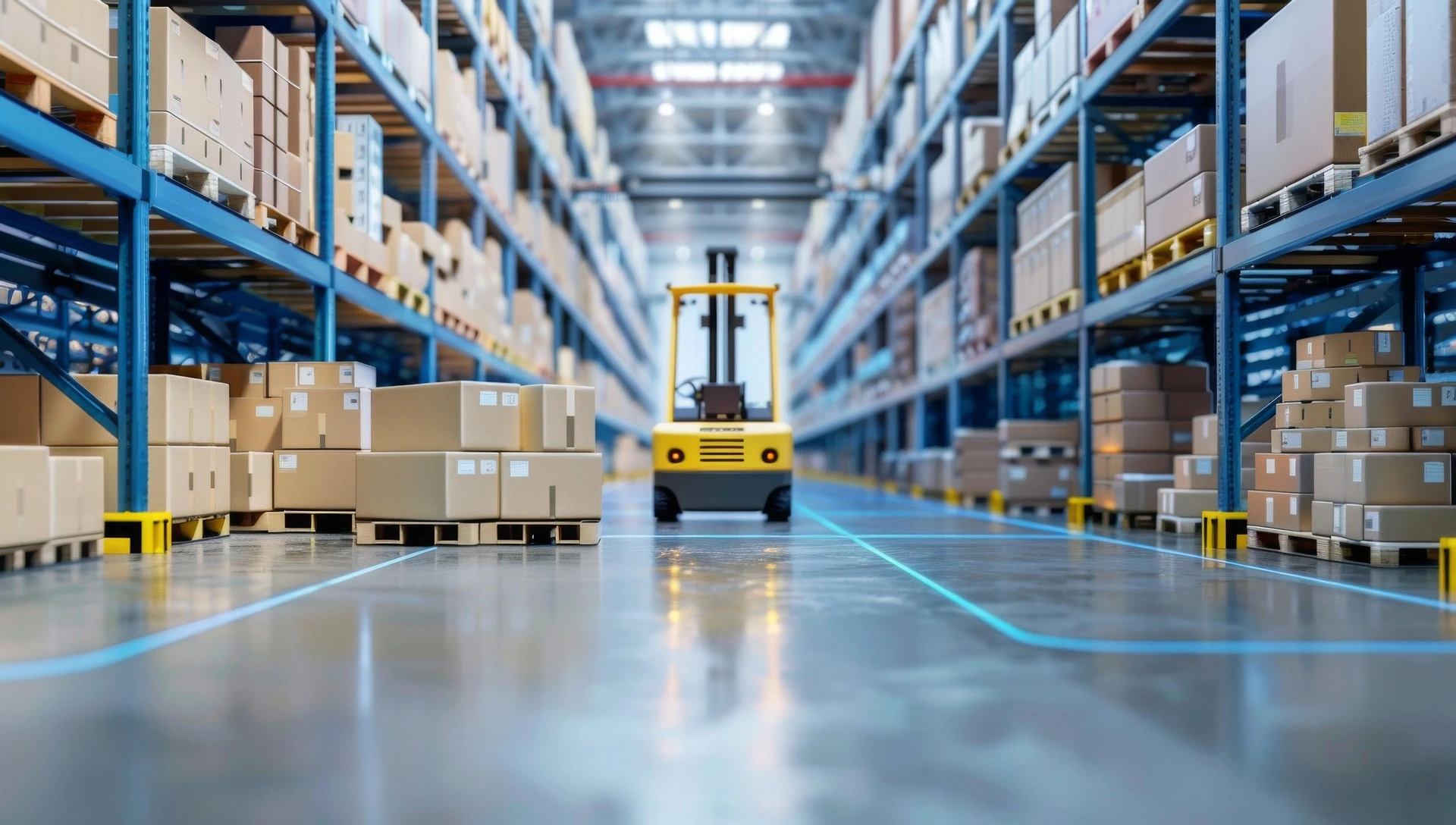
One warehouse became ten. Ten became hundreds of deliveries over time. Before long, pallets were scattered across different customer locations, and the manufacturer found itself buying new ones simply because recovering the old ones had become difficult to manage.
It wasn't that the pallets were gone forever. They were just somewhere. That "somewhere" turned out to be surprisingly expensive. The conversation quickly shifted away from pallets themselves. The real question became much simpler.
How do you make it easier for drivers to know where pallets are, and just as importantly, give them a reason to bring those pallets back?
The Solution
The answer wasn't another spreadsheet or another office process. It was a mobile application.
Drivers already carried their phones throughout the day, so asking them to use a mobile app felt far more natural than expecting paperwork to solve the problem. The application allowed them to record pallet locations as part of their normal delivery routine instead of adding another separate task. Even then, something felt incomplete.
Technology can make a process easier, but it doesn't automatically change behaviour. People usually need a reason to do something beyond simply being told it helps the business.
That thought shaped one of the most interesting parts of the project. The application was connected to the Tango Rewards platform. As drivers collected and returned empty pallets, they became eligible for rewards through the integrated system. It was a fairly simple idea, but sometimes simple ideas fit into everyday work much better than complicated ones.
Instead of forcing a new habit, the application quietly encouraged one. Behind what drivers saw on their phones, there was a lot happening in the background.
The back-end services were built using .NET, giving the application a dependable API that handled communication between the mobile app and the rest of the platform. Xamarin Forms was chosen for the mobile application itself, making it possible to build and maintain the experience efficiently without treating each platform as a completely separate project. The API was hosted in Microsoft Azure, providing a cloud environment that could comfortably support the application's day-to-day operations.
Notifications were another piece that deserved attention. Drivers are constantly moving. Information only helps if it reaches people at the right moment. Azure Notification Hub allowed notifications to be managed centrally, making it easier to deliver reminders and updates whenever they were needed instead of relying on manual communication.
Looking back now, it is easy to describe this as a pallet-tracking application. But that almost makes it sound smaller than it really was.
The project was really about understanding how people worked before deciding what technology they needed. The software wasn't trying to replace drivers or redesign their entire routine. It simply fit into work they were already doing and removed a little bit of friction along the way.
Sometimes that's where the best software ends up making the biggest difference. Not by creating an entirely new way of working, but by making an existing one feel just a little more effortless.